Staying independent at home means more than comfort. For anyone using durable medical equipment (DME), it also means staying steady on your feet. Falls are one of the top reasons older adults lose their independence, and for people managing mobility challenges, that risk runs even higher. If you’re researching how to prevent falls at home for elderly parents, or for yourself, the good news is that most falls can be prevented. With a few home changes, the right equipment, and a plan that fits your life, aging in place safely is realistic for almost anyone.
Helping You Stay Safe, Independent, and Confident at Home
Falls are one of the leading causes of injury among adults over 65, but many can be prevented with a few simple changes. As a medical supply store in Utah and Idaho, Alpine Home Medical spends a lot of time talking with patients and caregivers about fall prevention, because staying steady at home is what keeps people independent.
Why DME Patients Face a Higher Fall Risk
If you use a walker, cane, wheelchair, or hospital bed, that equipment is there to keep you steady, not put you at risk. But a poor fit, incorrect use, or equipment that hasn’t been checked in a while can quietly work against you. Add in a cluttered hallway, dim lighting, a loose rug, or a slick bathroom floor, and the odds of a fall climb fast, especially for older adults or anyone with limited strength or balance. Even switching to new equipment can bring a short adjustment period where falls are more likely, simply because your body hasn’t learned the new movement yet. Regular equipment checks, a proper fit from the start, and a home safety walkthrough go a long way toward closing these gaps before they become a problem.
Common Risk Factors and Warning Signs
Most fall risk factors come down to a mix of your environment and your body. Dim lighting, cluttered walkways, and slippery floors are some of the most common culprits, and they’re often the easiest to fix. On the body side, watch for warning signs like frequent stumbling, sudden dizziness, or trouble getting up from a chair. None of these should be brushed off. They’re your body’s way of asking for a closer look, whether that means a call to your doctor or a second look at your home setup.
Age-Related Changes That Increase Fall Risk
The years bring changes that can chip away at stability, even for people who’ve never had a fall. Muscle mass and joint flexibility naturally decline over time, and vision or depth perception can shift enough to make familiar spaces feel less predictable. Conditions like arthritis add to the challenge.
These changes can affect confidence, too. Once someone feels unsteady, they often move less, and moving less can make the body even weaker. A good fall prevention plan gets ahead of these changes instead of waiting to react after a fall happens.
Building Your Fall Prevention Plan
1. Begin a Regular Exercise Routine
Movement is one of the strongest tools against falling. Regular activity builds the muscle and balance that keep you upright, and it doesn’t need to be intense to work. Tai Chi, yoga, light stretching, walking, and water aerobics are all low-impact options that build strength without wearing down your joints. The main thing to avoid is long stretches of inactivity. Even a short walk most days makes a difference. Before starting anything new, check in with your doctor to make sure the plan fits your current health and mobility.
2. Have Your Health Care Provider Review Your Medications
Medication reviews don’t get talked about enough in fall prevention, but they matter. Some medications, especially in combination, can cause drowsiness, dizziness, or confusion. As your body changes with age, it can process the same medication differently than it used to, sometimes bringing on side effects years into a prescription you thought was settled. Bring an updated medication list to every appointment so your provider can catch anything that might be raising your risk.
3. Get Your Vision Checked Regularly
Balance depends on more than your legs. Your eyes are constantly feeding your brain information about where the ground is and what’s around you, so an outdated glasses prescription or an undiagnosed condition like cataracts or glaucoma can throw that off without you realizing it. Plan for an eye exam once a year, ask your doctor about lenses that cut glare, and keep your glasses clean so you’re seeing your home as clearly as possible.
4. Make Your Home Safer
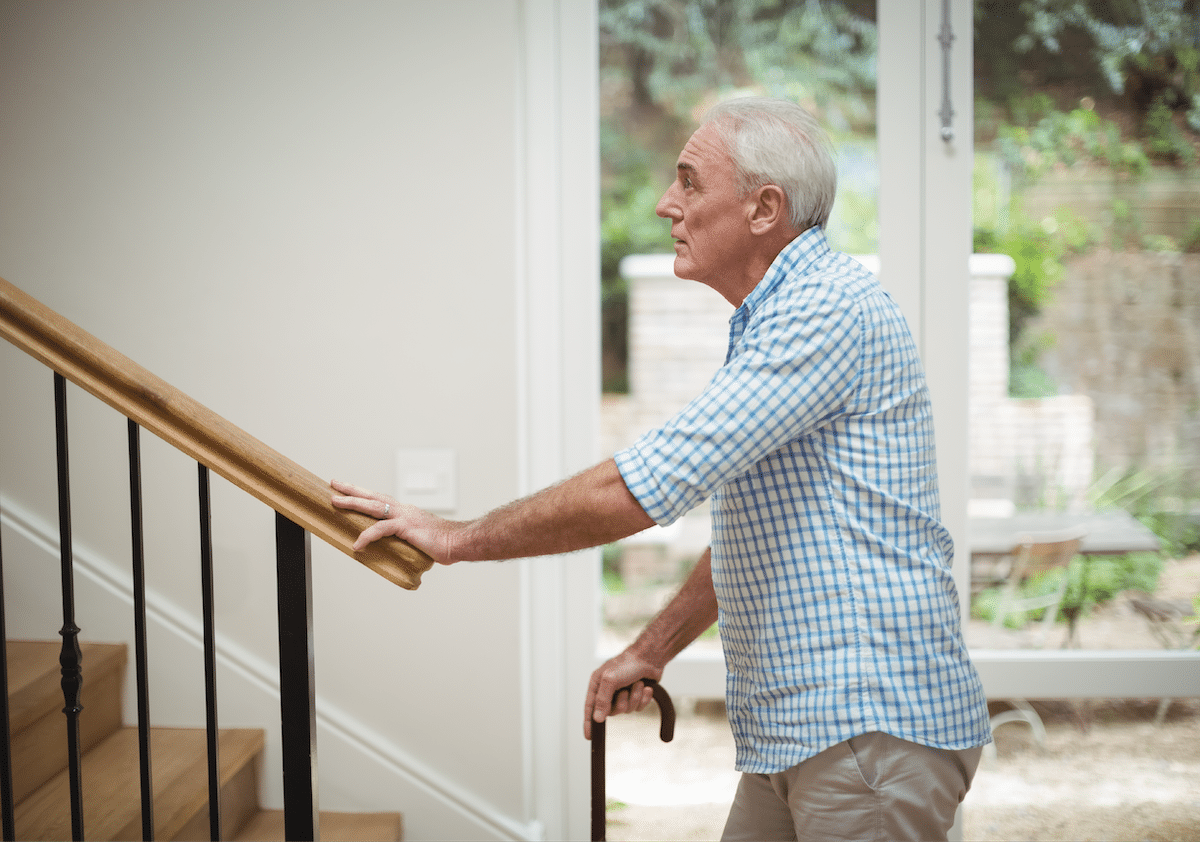
Close to half of all falls happen inside the home, which makes your house one of the most effective places to start. Walking paths are the first thing to look at: clear away loose shoes and cords, and either remove small rugs or pin them down with non-slip backing. Lighting matters just as much. Brighter bulbs and a few well-placed nightlights in the hallway, stairway, and bathroom can make a real difference after dark, and handrails should feel sturdy on both sides of every staircase. Footwear is easy to overlook but worth a second look too. A shoe with a low, wide heel, a non-skid sole, and a closed back that holds your foot in place will serve you far better than something you have to shuffle to keep on. Slippers, socks, and bare feet all raise your chance of slipping, even on floors you’ve walked a thousand times.
5. Partner With Your DME Provider
Alpine Home Medical has spent more than 25 years helping people across Utah and Idaho stay safe and steady at home. Our team can help you find the right mobility aid or safety equipment for your situation, walk you through proper setup and use, and talk through a home safety check so you know exactly where your risk points are. If your equipment isn’t doing its job anymore, or you’re not sure it ever fit right, stop by one of our 11 Utah and Idaho store or give your nearest location a call.
Home Safety Modifications and DME Solutions
Bathroom Safety Equipment and Grab Bar Installation
Bathrooms cause more falls than almost any other room, mostly because water and hard, slick surfaces don’t leave much room for error. Grab bars near the toilet, tub, and shower give you something solid to hold onto during the moments you’re most likely to lose your balance, like standing up or stepping over a tub wall. A shower chair takes pressure off your legs during bathing, cutting down on fatigue-related slips, and a non-slip mat on the tub or shower floor adds one more layer of traction where you need it most. If your bathroom hasn’t been set up with any of this in mind, it’s one of the highest-value places to start.
Mobility Aids: Walkers, Canes, and Wheelchairs for Safe Navigation
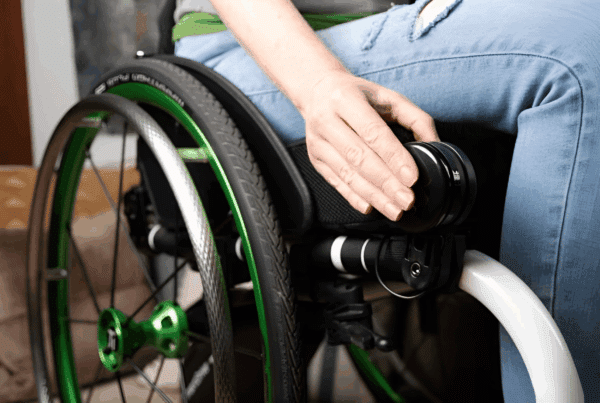
Each mobility aid reduces fall risk in different ways, depending on how much support someone needs. A walker’s four-point frame offers the most stability, which makes it a solid choice for anyone who needs consistent support getting around. Canes work well for people who mainly need a little extra balance rather than full support. Wheelchairs come into play for those with more limited mobility, letting you move through the home without relying on strength or balance you may not have right now.
Whatever aid you use, correct fit changes everything. Equipment sized wrong, or worn down from years of use, undoes a lot of the safety it’s supposed to provide. Our team can confirm your equipment still fits the way it should, whether you bought it or rented it from us.
Bedroom and Living Area Safety Improvements
A lot of falls happen at night, when the room is dark and the body is still half-asleep. Secure handrails near the bed give you something to hold onto getting in and out, and a nightlight in the room or hallway means you’re not moving through total darkness on the way to the bathroom. A bed adjusted to the right height means your feet reach the floor comfortably, cutting down on the awkward stretch or drop that can throw off your balance. In living areas, keep pathways clear, tuck away cords, and secure area rugs so a quick trip across the room doesn’t turn into a fall. Furniture with rounded edges is a small change that can make a real difference if a fall does happen.
What to Do if You Experience a Fall
Even a fall that doesn’t cause an injury is worth mentioning to your healthcare provider. Frequent stumbles or near-falls are often a sign that something needs to change, whether that’s a medication adjustment, an equipment fitting, or additional therapy. When you catch the pattern early, a near miss stays a near miss instead of turning into something more serious.
If you or a loved one live alone, it’s also worth talking with your doctor about a medical alert system. A wearable pendant or wrist button that connects to emergency help can make a real difference in how quickly someone responds if a fall does happen, especially overnight or when no one else is home.

Contact Us for Home Safety Support
If you have questions about home safety, fall prevention, or medical equipment, our specialists are here to help.
Alpine Home Medical
Call/Text: (801) 463-0044
Visit Any Of Our Store Locations
We proudly serve patients and caregivers with high-quality equipment and education that promotes safety and peace of mind.